The battery of an electric forklift is the core power source of the electric forklift. During the usage process, the charging and discharging state is the main step that determines its cycle life. Many users often neglect the charging aspect. After using the forklift, connect the battery pack to the forklift charger and then place it. Therefore, the vehicle is used multiple times before being fully charged. If this continues for a long time, it will accelerate the sulfation speed of the forklift battery and affect its service life.
Intermittent charging can be said to reduce its number of cycles. When many forklift drivers in factories take their lunch breaks, the batteries of their forklifts still have half of their power left. After charging for one hour, they continued to use the forklift. In this way, the crystals of the forklift battery will become larger and larger, and the energy storage current will decrease.
At present, users and managers of storage batteries have insufficient understanding of the importance of battery maintenance and have not paid enough attention to it, thus failing to carry out maintenance in a timely manner.
If the electrolyte concentration of the forklift battery is too high, it will cause the battery temperature to rise during use, and it is easy to lose water due to excessive temperature. If water is not replenished in time, it will cause the electrolyte concentration to be too high. After water shortage, the plates are prone to leakage, accelerating sulfation and affecting the battery's service life.
In conclusion, lead-acid batteries used in forklifts often fail and become scrapped before reaching one-third of their designed service life, resulting in a serious waste of funds and resources.
Meanwhile, due to the failure to handle them properly and promptly, used batteries are casually inverted or discarded, generating a large amount of sulfuric acid and waste lead, which seriously pollutes the ecological environment and directly endangers human health.
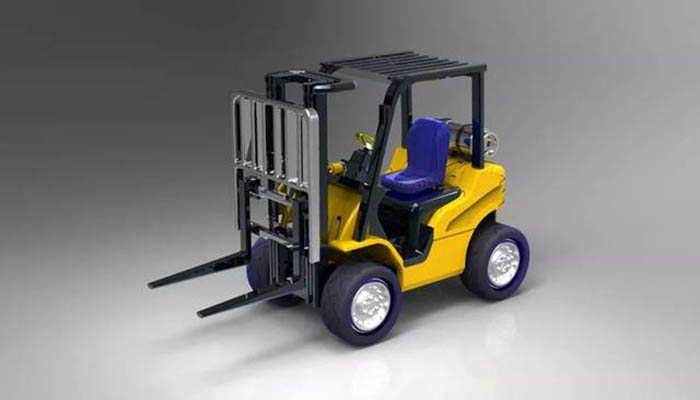
Due to the lack of professional battery maintenance personnel and equipment, the sulfation phenomenon of batteries has intensified, seriously affecting the service life of batteries.
If stored for more than three months, obvious sulfonation will occur. If stored for more than six months, the battery capacity will drop to 70%. If the storage period reaches one year, the battery is basically scrapped.
In actual use, due to long-term use without timely charging, obvious sulfation usually occurs within 12 hours.
In actual working environments, batteries are often used without being fully charged, keeping them in an unsaturated state for a long time, accelerating sulfation and affecting battery life.
In actual working environments, batteries are often charged before they are completely drained of power. If the battery is not fully charged before use, over time, it will develop a "memory effect" and fail to be fully charged, which will affect its service life.